Six weeks into my recent EBV reactivation, I was sitting in my functional medicine doctor's office describing my symptoms when she asked a question that caught me off guard: "How's your digestion?" I paused, realizing that in my focus on viral antibodies and immune markers, I'd been ignoring the fact that my gut had been a mess for several weeks—bloating after every meal, irregular bowel movements, and a growing list of foods that seemed to trigger symptoms.
One of the most overlooked aspects of chronic fatigue and EBV recovery: the gut-brain-immune axis. This complex network of communication between your digestive system, nervous system, and immune system plays a crucial role in both the development and recovery from chronic fatigue conditions.
Understanding this connection isn't just academic—it's practical. When you address gut health as part of your EBV recovery protocol, you're not just improving digestion. You're supporting immune function, reducing inflammation, improving neurotransmitter production, and creating the foundation for sustainable energy and cognitive function.
The gut-brain-immune axis represents one of the most exciting frontiers in functional medicine, and for people dealing with chronic fatigue, it offers hope for addressing symptoms that often don't respond to conventional treatments.

Understanding the Gut-Brain-Immune Axis
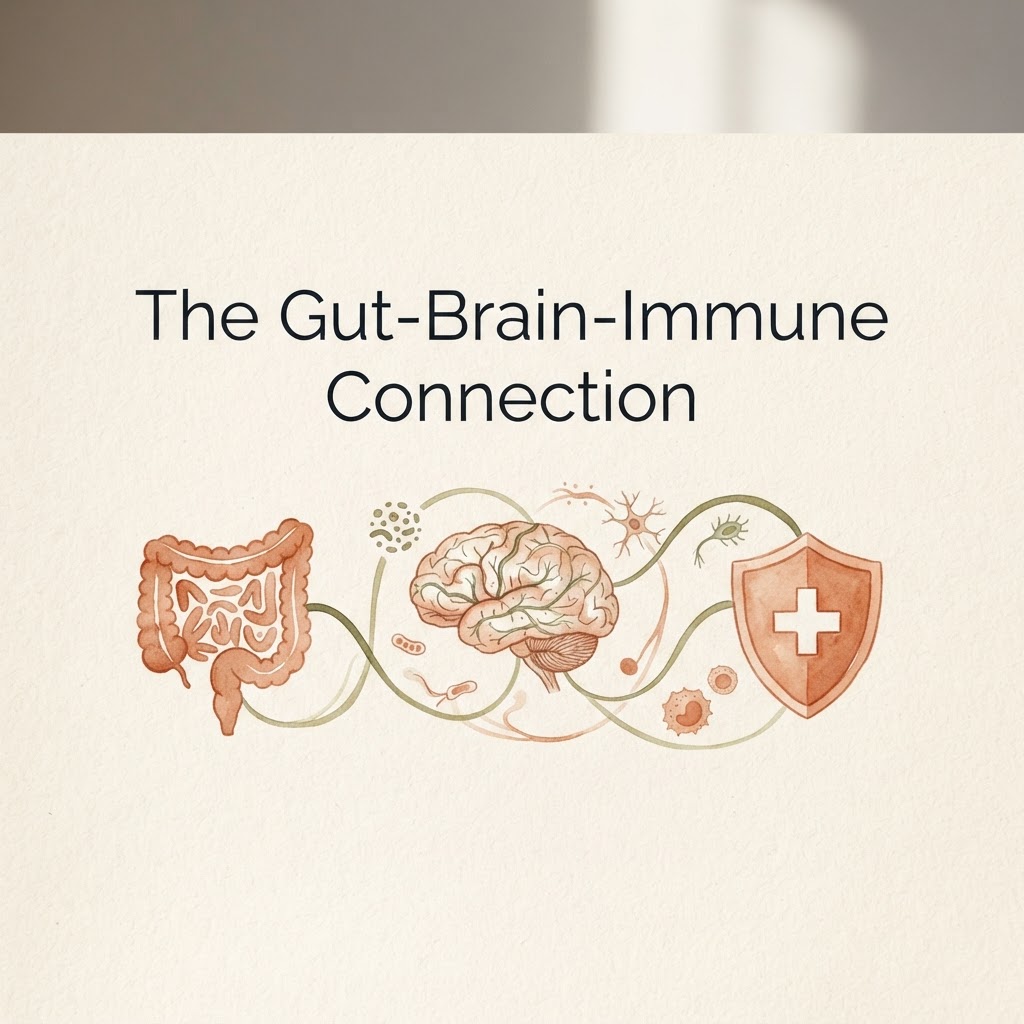
The gut-brain-immune axis represents a sophisticated communication network that connects your digestive system, nervous system, and immune system through multiple pathways. This isn't just about digestion—it's about how these three systems work together to maintain health, respond to threats, and support recovery from illness.
Your gut contains approximately 500 million neurons—more than your spinal cord—earning it the nickname "the second brain" [1]. This enteric nervous system communicates directly with your brain through the vagus nerve, sending signals about everything from nutrient status to immune threats to emotional states.
The immune connection is equally profound. Approximately 70% of your immune system is located in your gut, where it constantly samples the environment and decides what's friend or foe [2]. This gut-associated lymphoid tissue (GALT) serves as a training ground for immune cells and plays a crucial role in developing immune tolerance and preventing autoimmune reactions.
The microbiome—the trillions of bacteria, viruses, and other microorganisms living in your gut—serves as the conductor of this complex orchestra. These microorganisms produce neurotransmitters, regulate immune function, influence inflammation, and even affect gene expression [3]. When the microbiome is balanced, the entire system functions harmoniously. When it's disrupted, the effects cascade throughout your body.
In chronic fatigue and EBV reactivation, this axis becomes severely disrupted. The chronic inflammation associated with viral reactivation damages the intestinal lining, creating increased intestinal permeability (leaky gut). The stress of chronic illness disrupts the microbiome balance. The immune dysfunction affects gut-associated immune tissues. The result is a vicious cycle where gut dysfunction perpetuates immune dysfunction, which perpetuates viral reactivation, which perpetuates gut dysfunction.
Understanding this cycle is crucial because it explains why addressing gut health can have such profound effects on energy, cognitive function, and overall recovery from chronic fatigue. When you heal the gut, you're not just improving digestion—you're restoring the foundation for immune function and neurological health.

The Leaky Gut-Chronic Fatigue Connection
Increased intestinal permeability, commonly known as leaky gut, is one of the most significant but overlooked factors in chronic fatigue and EBV reactivation. When the tight junctions between intestinal cells become compromised, partially digested food particles, bacterial toxins, and other substances can cross into the bloodstream, triggering immune reactions and systemic inflammation.
Research shows that people with chronic fatigue syndrome have significantly higher rates of intestinal permeability compared to healthy controls [4]. This isn't just correlation—the degree of intestinal permeability often correlates with symptom severity, suggesting a direct relationship between gut barrier function and chronic fatigue symptoms.
The mechanisms behind leaky gut in chronic fatigue are multifaceted. Chronic stress, which is both a trigger and consequence of chronic fatigue, directly damages intestinal tight junctions through elevated cortisol and inflammatory cytokines [5]. The chronic inflammation associated with viral reactivation further damages the intestinal barrier. Certain medications, particularly antibiotics and NSAIDs, can also contribute to intestinal permeability.
When the intestinal barrier is compromised, the immune system becomes hypervigilant, constantly responding to substances that shouldn't be in the bloodstream. This creates a state of chronic immune activation that can manifest as food sensitivities, autoimmune-like symptoms, brain fog, and persistent fatigue.
The connection to brain function is particularly important. When bacterial toxins and inflammatory molecules cross the compromised gut barrier, they can trigger neuroinflammation—inflammation in the brain that directly affects cognitive function, mood, and energy levels [6]. This explains why many people with chronic fatigue experience brain fog, memory problems, and mood changes alongside their physical symptoms.
Healing leaky gut requires a comprehensive approach that addresses the underlying causes while providing targeted support for intestinal barrier repair. This isn't just about taking probiotics—it requires understanding the complex factors that contribute to intestinal permeability and addressing them systematically.
The good news is that the intestinal lining has remarkable regenerative capacity. With the right approach, significant improvements in intestinal barrier function can occur within weeks to months, often leading to dramatic improvements in energy, cognitive function, and overall wellbeing.

Microbiome Disruption in Viral Reactivation
The gut microbiome plays a crucial role in immune function, and disruptions in microbiome balance can both contribute to and result from viral reactivation. Understanding these disruptions and how to address them is essential for comprehensive EBV recovery.
Research shows that people with chronic fatigue have distinct microbiome patterns compared to healthy individuals, with reduced diversity and altered ratios of beneficial to harmful bacteria [7]. These changes aren't random—they follow predictable patterns that can be addressed through targeted interventions.
The microbiome influences immune function through multiple mechanisms. Beneficial bacteria produce short-chain fatty acids that help regulate immune responses and reduce inflammation [8]. They compete with pathogenic organisms for resources and space, preventing harmful bacteria from establishing infection. They also help train the immune system, teaching it to distinguish between helpful and harmful substances.
When the microbiome becomes disrupted—a condition called dysbiosis—these protective functions are compromised. Harmful bacteria may overgrow, producing toxins that damage the intestinal lining and trigger immune reactions. Beneficial bacteria may be depleted, reducing the production of protective compounds and allowing inflammation to persist.
The relationship between microbiome disruption and viral reactivation is bidirectional. Chronic stress, poor diet, antibiotic use, and other factors can disrupt the microbiome, making viral reactivation more likely. Once viral reactivation occurs, the resulting inflammation and immune dysfunction can further disrupt microbiome balance, creating a vicious cycle.
Certain bacterial strains have been specifically studied for their effects on viral infections. Lactobacillus and Bifidobacterium species can help support antiviral immunity and reduce viral replication [9]. These beneficial bacteria produce compounds that enhance natural killer cell activity and support the production of antiviral interferons.
Restoring microbiome balance requires more than just taking probiotics. It requires creating an environment where beneficial bacteria can thrive while addressing the factors that led to dysbiosis in the first place. This might include dietary changes, stress management, targeted antimicrobial therapy, and strategic probiotic supplementation.
The timeline for microbiome restoration varies significantly between individuals, but improvements in symptoms often begin within weeks of starting targeted interventions. Complete microbiome restoration may take months to years, but the benefits often become apparent long before the process is complete.

Neurotransmitter Production in the Gut
One of the most fascinating aspects of the gut-brain connection is the role of the gut in neurotransmitter production. Your gut produces many of the same neurotransmitters found in your brain, and disruptions in gut function can significantly affect mood, cognitive function, and energy levels.
Approximately 90% of your body's serotonin—the neurotransmitter often called the "happiness chemical"—is produced in your gut, not your brain [10]. This gut-derived serotonin doesn't cross the blood-brain barrier, but it influences brain function through the vagus nerve and other pathways. When gut function is compromised, serotonin production can be significantly reduced, contributing to the depression and anxiety often seen in chronic fatigue.
GABA, your brain's primary calming neurotransmitter, is also produced by certain gut bacteria. When the microbiome is disrupted, GABA production can be impaired, contributing to anxiety, sleep disturbances, and nervous system hyperactivation [11]. This explains why many people with chronic fatigue feel "tired but wired"—their bodies are exhausted, but their nervous systems remain activated.
Dopamine, the neurotransmitter associated with motivation and reward, is also influenced by gut health. Certain gut bacteria can produce dopamine precursors, while others can interfere with dopamine metabolism [12]. The lack of motivation and pleasure (anhedonia) common in chronic fatigue may be partially related to gut-mediated disruptions in dopamine function.
The gut also produces other neuroactive compounds, including acetylcholine, which is crucial for autonomic nervous system function. This connection helps explain why many people with chronic fatigue develop autonomic dysfunction, including heart rate variability, blood pressure changes, and temperature regulation problems.
Supporting gut-based neurotransmitter production requires a comprehensive approach that includes providing the raw materials for neurotransmitter synthesis, supporting beneficial bacteria that produce these compounds, and addressing factors that interfere with neurotransmitter metabolism.
Specific nutrients become particularly important for gut-based neurotransmitter production. Tryptophan, the precursor to serotonin, needs to be consumed in adequate amounts and in the right ratios to other amino acids. B vitamins, particularly B6, folate, and B12, serve as cofactors in neurotransmitter synthesis. Magnesium supports GABA function and helps calm the nervous system.
Targeted Gut Healing Protocols
Healing the gut in the context of chronic fatigue and EBV reactivation requires a systematic approach that addresses the multiple factors contributing to gut dysfunction. This isn't about following a generic "gut healing" protocol—it's about understanding your specific pattern of gut dysfunction and addressing it comprehensively.
Phase 1: Remove and Reduce (Weeks 1-4)
The first phase focuses on removing factors that are damaging the gut while reducing inflammation and immune activation. This might include identifying and eliminating food sensitivities, addressing bacterial overgrowth or parasitic infections, and reducing exposure to gut-damaging substances.
Food sensitivity testing or elimination diets can help identify foods that are triggering immune reactions and contributing to intestinal inflammation. Common culprits include gluten, dairy, eggs, and nightshades, but individual sensitivities vary significantly.
Comprehensive stool testing can identify bacterial overgrowth, parasitic infections, or other pathogens that may be contributing to gut dysfunction. Addressing these infections is often necessary before other gut healing interventions can be effective.
Reducing exposure to gut-damaging substances includes minimizing use of NSAIDs, antibiotics (when possible), alcohol, and processed foods. These substances can directly damage the intestinal lining and disrupt microbiome balance.
Phase 2: Replace and Support (Weeks 4-8)
The second phase focuses on replacing digestive factors that may be deficient and supporting optimal digestion. Many people with chronic fatigue have reduced stomach acid production, impaired enzyme function, and compromised bile flow.
Digestive enzyme supplementation can help improve nutrient breakdown and absorption while reducing the burden on an already compromised digestive system. Broad-spectrum enzymes that include proteases, lipases, and amylases are often most effective.
Stomach acid support may be necessary for people with hypochlorhydria (low stomach acid), which is common in chronic fatigue. Betaine HCl with pepsin can help restore optimal stomach acid levels and improve protein digestion.
Bile acid support through ox bile or bile acid sequestrants can help improve fat digestion and absorption, which is often impaired in chronic fatigue. This is particularly important for absorbing fat-soluble vitamins that are crucial for immune function.
Phase 3: Restore and Repair (Weeks 8-16)
The third phase focuses on restoring beneficial bacteria and repairing the intestinal lining. This requires strategic probiotic supplementation combined with nutrients that support intestinal barrier function.
Probiotic selection should be based on specific strains that have been studied for immune support and viral infections. Lactobacillus plantarum, Bifidobacterium longum, and Lactobacillus rhamnosus have shown particular promise for supporting immune function during viral infections [13].
Prebiotic fibers help feed beneficial bacteria and support their growth and colonization. However, some people with chronic fatigue may be sensitive to certain fibers, so these need to be introduced gradually and monitored carefully.
Intestinal barrier support nutrients include L-glutamine, zinc carnosine, and collagen peptides. These nutrients provide the raw materials needed for intestinal cell repair and tight junction restoration.
Phase 4: Maintain and Optimize (Ongoing)
The final phase focuses on maintaining the improvements achieved and optimizing long-term gut health. This requires ongoing attention to diet, stress management, and lifestyle factors that influence gut function.
Dietary diversity becomes important for maintaining microbiome diversity. Eating a wide variety of plant foods provides different types of fiber and phytonutrients that support different bacterial species.
Stress management remains crucial for maintaining gut health, as chronic stress can quickly undo the improvements achieved through gut healing protocols. Regular meditation, adequate sleep, and stress reduction techniques help maintain the gut-brain axis balance.
Regular monitoring through follow-up testing can help track progress and identify early signs of gut dysfunction recurrence. This might include periodic stool testing, food sensitivity panels, or intestinal permeability assessments.

The Recovery Timeline: What to Expect
Gut healing in the context of chronic fatigue follows a predictable timeline, though individual variations are common. Understanding what to expect can help maintain hope during challenging periods and guide treatment adjustments.
Weeks 1-4: Initial Adjustments
The first two weeks often involve significant dietary and lifestyle changes that can initially worsen symptoms before they improve. This is normal and doesn't indicate treatment failure. Some people experience die-off reactions as harmful bacteria are eliminated, which can temporarily increase fatigue and brain fog.
Weeks 4-8: Early Improvements
Most people begin to notice improvements in digestive symptoms during this period. Bloating may decrease, bowel movements may become more regular, and food tolerances may begin to improve. Energy levels may start to stabilize, though dramatic improvements are usually not yet apparent.
Weeks 8-12: Significant Progress
This is when many people notice significant improvements in energy, cognitive function, and overall wellbeing. The gut lining has had time to begin healing, beneficial bacteria are becoming established, and the gut-brain-immune axis is starting to function more effectively.
Months 3-6: Consolidation
During this period, improvements typically continue and become more stable. Food tolerances often expand, energy becomes more consistent, and cognitive function continues to improve. This is also when many people can begin to liberalize their diets and reduce supplement protocols.
Months 6-12: Optimization
The final phase involves optimizing gut health for long-term maintenance. Most acute gut healing interventions can be reduced or eliminated, and the focus shifts to maintaining the improvements through diet, lifestyle, and targeted maintenance protocols.
It's important to remember that gut healing, like recovery from addiction, isn't always linear. There may be setbacks and challenging periods, but these don't indicate failure—they're part of the healing process. The key is maintaining consistency with your gut healing protocol while being patient with your body's natural healing timeline.
Your gut has an incredible capacity for healing when given the right support. By understanding the gut-brain-immune connection and addressing gut dysfunction as part of your comprehensive recovery protocol, you can not only improve your digestive health but also support your immune system, enhance your cognitive function, and build the foundation for lasting energy and vitality.
Frequently Asked Questions
1. How does gut health affect chronic fatigue?
Roughly 70% of your immune system lives in your gut, and your gut produces many of the neurotransmitters that influence mood, sleep, and cognition. When the gut barrier and microbiome are disrupted, the resulting inflammation and immune activation can drain energy and cloud thinking — which is why digestion is often a hidden driver of persistent fatigue.
2. What are the signs my gut-brain-immune axis is out of balance?
Common signals include bloating or irregular digestion, new food sensitivities, brain fog, low mood or irritability, frequent infections, and fatigue that rest doesn't fix. These symptoms rarely appear in isolation — they tend to travel together because the underlying systems talk to each other constantly.
3. Can healing my gut really improve my energy and brain fog?
It frequently does. Because the gut shapes immune activation, inflammation, and neurotransmitter production, restoring gut function often translates into steadier energy and clearer thinking. The intestinal lining also regenerates remarkably quickly, so many people notice early improvements within weeks of targeted changes.
4. What foods best support the gut-immune connection?
Anchor your plate in fiber-rich vegetables, fermented foods, omega-3 sources, and polyphenol-rich produce — these feed beneficial bacteria and support short-chain fatty acid production. At the same time, temporarily reducing ultra-processed foods, excess alcohol, and known trigger foods lowers the inflammatory load while the gut repairs.
5. How long does gut healing take with chronic fatigue?
Early improvements often appear within a few weeks, but full microbiome and barrier repair can take several months, especially after a viral reactivation like EBV. Consistency matters more than perfection — small daily inputs compound into meaningful recovery.
6. Where should I start if I suspect leaky gut is contributing to my fatigue?
Start with the foundations: regulate your nervous system, stabilize blood sugar, add fiber and fermented foods slowly, and address stress and sleep. If symptoms persist, work with a functional medicine practitioner for targeted testing — and consider a personalized look at how your genes influence your stress response and recovery capacity.
Ready to Rebuild Your Foundation?
If chronic fatigue has you running on empty, start by understanding where your capacity actually stands today.
👉 Take the Capacity Report — a free assessment that maps your current stress load and recovery capacity.
And if you're ready for a truly personalized approach rooted in your own DNA — including how your genes shape your stress response, inflammation tendencies, and nutritional needs — explore the DNA Wellness System.
References
[1] Furness, J. B. (2012). The enteric nervous system and neurogastroenterology. Nature Reviews Gastroenterology & Hepatology, 9(5), 286-294.
[2] Belkaid, Y., & Hand, T. W. (2014). Role of the microbiota in immunity and inflammation. Cell, 157(1), 121-141.
[3] Cryan, J. F., & Dinan, T. G. (2012). Mind-altering microorganisms: the impact of the gut microbiota on brain and behaviour. Nature Reviews Neuroscience, 13(10), 701-712.
[4] Maes, M., et al. (2007). Increased serum IgA and IgM against LPS of enterobacteria in chronic fatigue syndrome. Journal of Affective Disorders, 99(1-3), 237-240.
[5] Söderholm, J. D., & Perdue, M. H. (2001). Stress and the gastrointestinal tract II. Stress and intestinal barrier function. American Journal of Physiology-Gastrointestinal and Liver Physiology, 280(1), G7-G13.
[6] Yarandi, S. S., et al. (2016). Modulatory effects of gut microbiota on the central nervous system: how gut could play a role in neuropsychiatric health and diseases. Journal of Neurogastroenterology and Motility, 22(2), 201-212.
[7] Giloteaux, L., et al. (2016). Reduced diversity and altered composition of the gut microbiome in individuals with myalgic encephalomyelitis/chronic fatigue syndrome. Microbiome, 4(1), 30.
[8] Koh, A., et al. (2016). From dietary fiber to host physiology: short-chain fatty acids as key bacterial metabolites. Cell, 165(6), 1332-1345.
[9] Lehtoranta, L., et al. (2014). Probiotics in respiratory virus infections. European Journal of Clinical Microbiology & Infectious Diseases, 33(8), 1289-1302.
[10] Yano, J. M., et al. (2015). Indigenous bacteria from the gut microbiota regulate host serotonin biosynthesis. Cell, 161(2), 264-276.
[11] Bravo, J. A., et al. (2011). Ingestion of Lactobacillus strain regulates emotional behavior and central GABA receptor expression. Proceedings of the National Academy of Sciences, 108(38), 16050-16055.
[12] Roshchina, V. V. (2010). Evolutionary considerations of neurotransmitters in microbial, plant, and animal cells. In Microbial endocrinology (pp. 17-52). Springer.
[13] Hao, Q., et al. (2015). Probiotics for preventing acute upper respiratory tract infections. Cochrane Database of Systematic Reviews, (2).