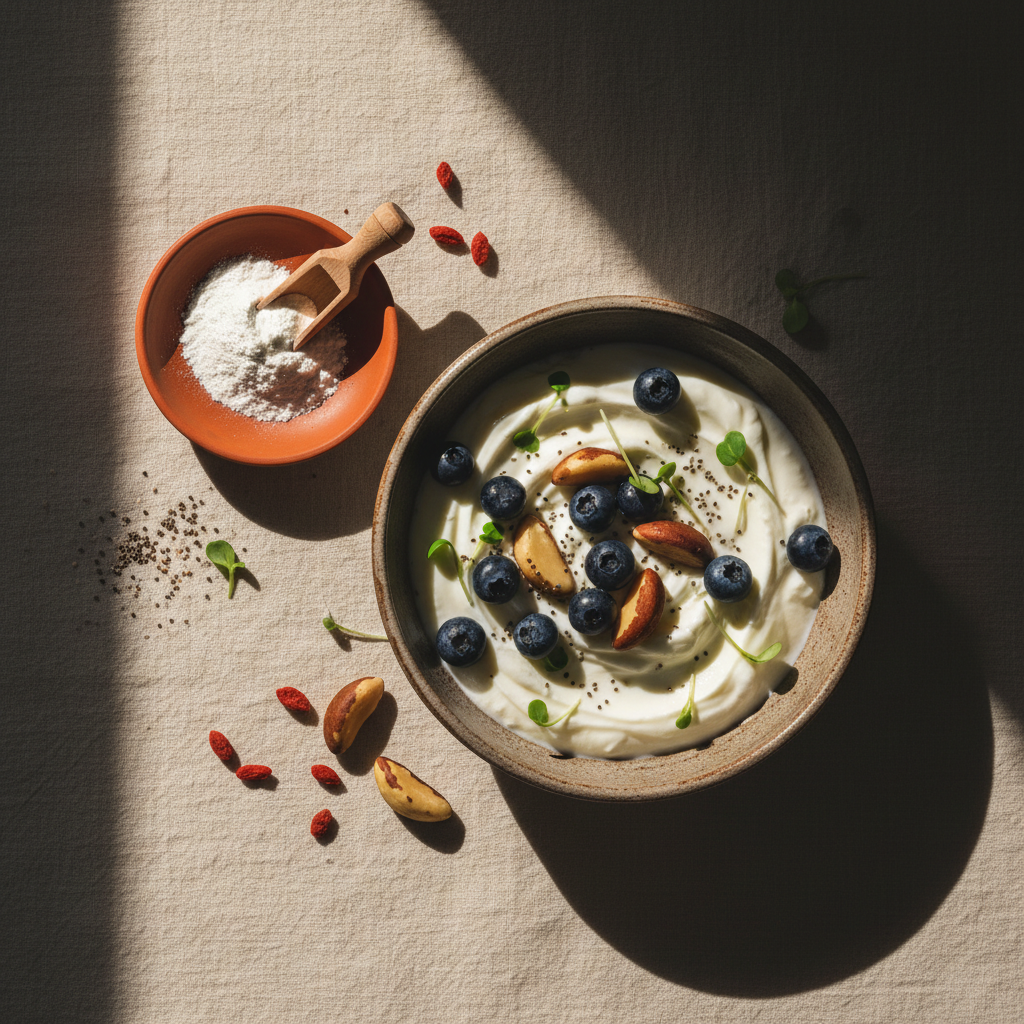
“To Whey or Not Use Whey!” is the existential question for the modern, gene-powered wellness advocate standing in front of the fridge, eyeing that protein tub with suspicion, wonder, and maybe the lingering memory of a ‘90s diet shake commercial. Let’s break down the good, the risky, and the genetically personalized truths—along with a peek inside a sheep’s milk yogurt bowl that would awe even the trendiest nutrition Instagram feed.
Pros and Cons of Whey Protein
Whey is the kingpin of proteins: fast-digesting, amino acid-rich, and an easy boost for anyone looking to support muscle, immunity, and even bone health. It’s especially revered for its role in muscle recovery, providing the building blocks (BCAAs) necessary for hypertrophy. And yes, research suggests potential benefits for bone health and microbiota, as well as a role in supporting healthy aging and resilience in the elderly.
But every royal family has its issues:
- Whey can trigger mischief in those sensitive to lactose or dairy, with bloating, acne, and the occasional bathroom dash not uncommon, especially with concentrates.
- Those with a history of kidney or liver issues, or teens already fending off acne, should approach with caution: high doses or chronic overuse are associated with renal strain and hormonal disruptions.
- Bonus bummer: consuming too much animal protein may disrupt insulin metabolism through the mTOR pathway, potentially nudging individuals genetically at risk toward insulin resistance.
 Relevant SNPs and Pathways
When it comes to leveraging the 3x4 Genetics Blueprint for a whey-and-peptide-powered lifestyle, personalization is everything.
- MTHFR (rs1801133, rs1801131): Reduced methylation? Precision protein (think: moderate animal sources, B12- and folate-rich foods) is key, since methylation impacts protein utilization and detox.
- COL1A1 (rs1800012): A gene for collagen formation—the T allele can mean weaker collagen (bones and joints), and higher protein intake (including collagen and hydrolyzed peptides) can support connective tissue, especially post-injury.
- PEMT, BHMT, CHDH: These methylation genes decide how well choline and betaine (think: eggs, nuts, and yep, that yogurt bowl) support cellular recovery and liver health.
- CBS: Essential for sulfur metabolism, which affects how efficiently amino acids in whey, collagen, and creatine are managed—watch for loads of ammonia if supplemented blindly.
Alternatives and Groupies: Collagen versus Whey
Collagen protein? The underdog for joints, skin, and bone toughness. Unlike whey’s focus on muscle, collagen’s unique amino acid profile (glycine and proline) hits the mark for connective tissue rebuilding, especially for those with COL1A1 or COL5A1 SNPs linked to weak joints or higher injury risk. A double win when paired with vitamin C and high-quality minerals.
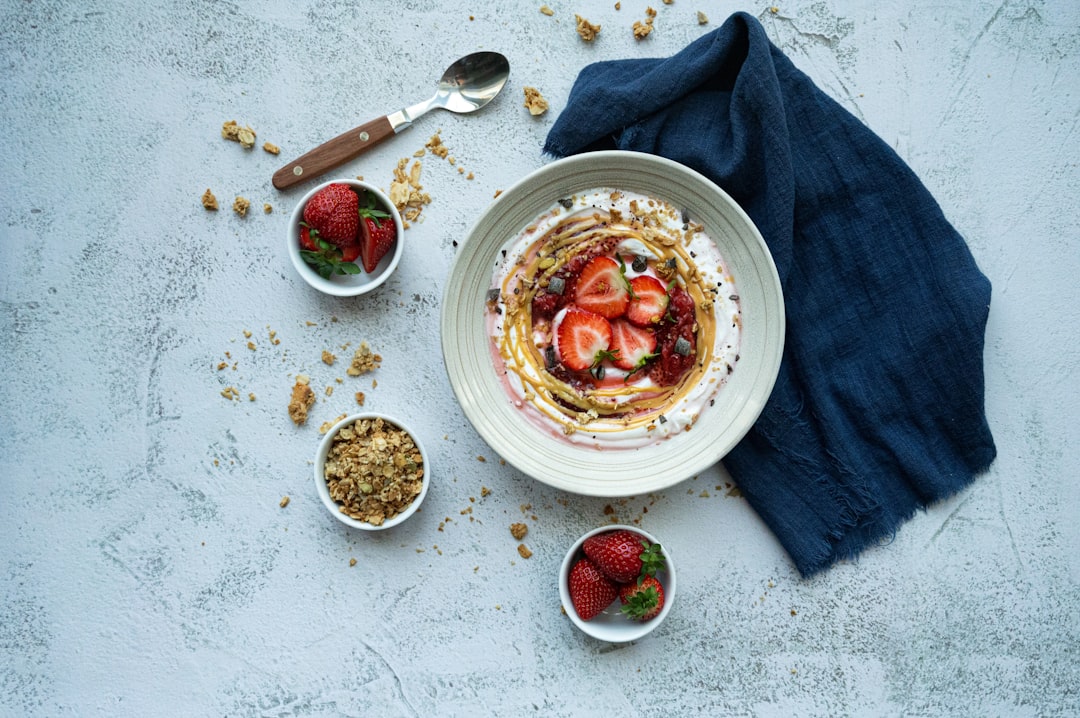
The Ultimate Yogurt Power Bowl
Move over, sad granola—here comes the DNA Powered Sheep’s Milk Yogurt Bowl:
- Collagen peptides (hydrolyzed for easy absorption)
- Brazil nuts (for selenium power and glutathione support)
- Creatine (muscle resilience, brain fortitude—watch those AGAT, GAMT, and methylation gene variants for creatine requirements)
- Wild frozen blueberries (antioxidants and polyphenols)
- Dandelion and broccoli sprouts (detox and sulforaphane for the Nrf2 pathway)
- Maple syrup, cinnamon (antioxidants and flavor)
- Sometimes topped with lion’s mane and turkey tail mushrooms—champions of neuroprotection and immune modulation, particularly handy when boosting NGF (nerve growth factor) and microbiome crosstalk.
Mindful, Science-Backed Recommendations
- Don’t supplement blindly based on trends; know the genes, know the pathways, and make your protein work for your blueprint, not against it.
- For anyone with known methylation issues, low bone density, or injury-prone joints, combining high-quality whey (if tolerated) with regular collagen and whole-food nutrient synergy is the premium hack.
- When in doubt, remember: it’s what fits the genes, not just the jeans, that really matters.
Now, who’s up for a sheep’s milk sundae, genetics-style—with a sprinkle of “be your own best wellness advocate” on top?