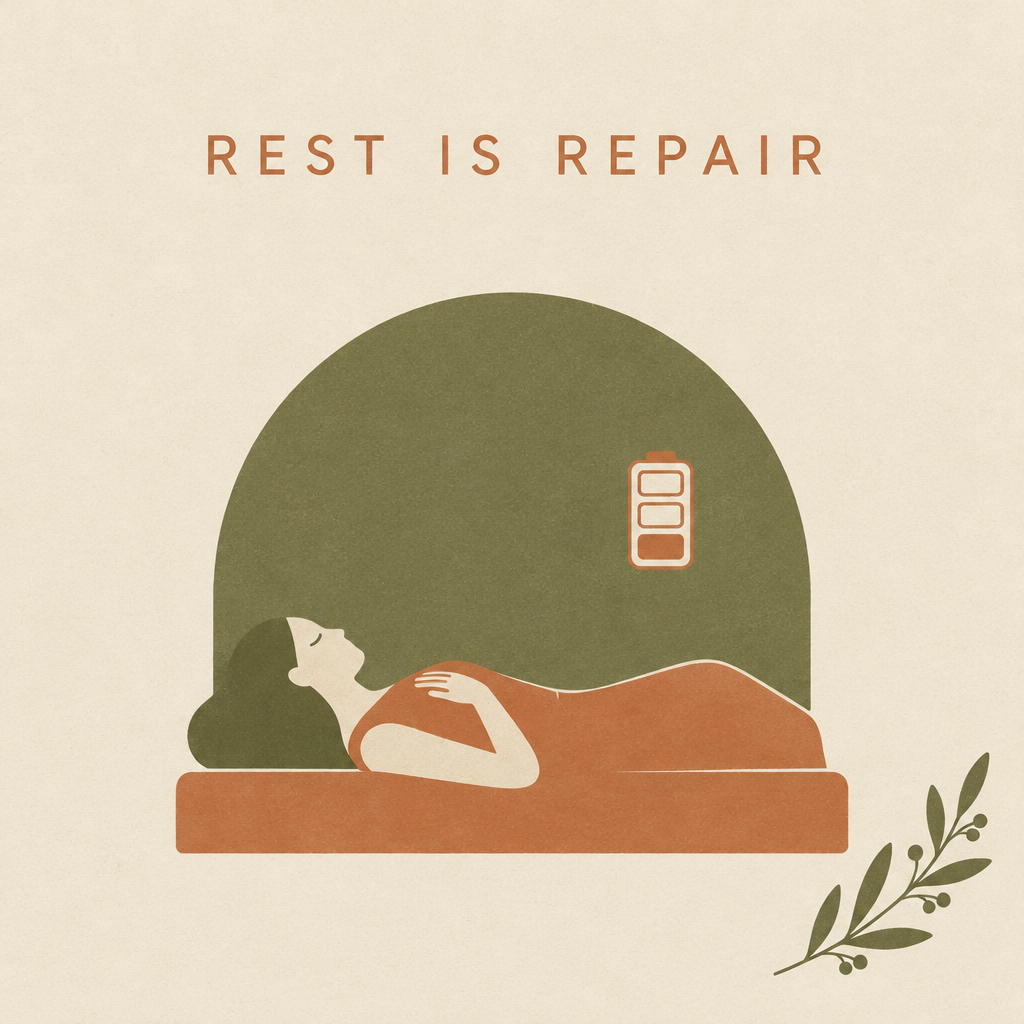
In April 2025, I was the picture of health. I maintained 18 percent body fat, trained in the gym almost every day, and followed every biohacking rule in the book. I felt invincible. My son told me I looked tired and I brushed it off. I was disciplined, and discipline had solved every problem I had ever had. I did not see the collapse coming.
It started after a week in a hotel with toxic mold during a professional conference. My spleen began to ache. Then came the brain fog, the stabbing pain under my ribs, the symptoms that doctors first dismissed as stress. I kept training through it, certain my fitness would carry me. Instead I ended up in the emergency room with a dysautonomia diagnosis and confirmed Epstein-Barr virus reactivation.
The irony was hard to swallow. Every effort I had made to optimize my biology could not stop a perfect storm of mold, chronic stress, and viral reactivation. I went from peak fitness to being unable to walk to the mailbox without triggering a crash that lasted days. Learning how to move when your body is in crisis has been the most humbling lesson of my recovery, and it is the question I am asked most often: why can't I work out with chronic fatigue?
What Post-Exertional Malaise Actually Is
Post-exertional malaise, or PEM, is the symptom that separates chronic fatigue from ordinary tiredness. It is also the reason standard fitness advice is not merely unhelpful during EBV recovery. It can be harmful.
PEM is a worsening of symptoms that shows up 12 to 48 hours after physical, emotional, or cognitive exertion. The delay is what makes it so easy to misread. You feel fine during the walk, fine that evening, and then wake up the next morning feeling like you have been hit by a truck.
The difference between normal exercise fatigue and post-exertional malaise is like the difference between feeling tired after a good workout and feeling like you have been poisoned.
When PEM hits, you are not simply tired. You are in a systemic crash. The signs usually include:
- Severe physical fatigue that is far below your usual baseline and does not improve with a normal night of sleep.
- Neurological symptoms such as brain fog, word-finding trouble, and memory lapses.
- Autonomic dysregulation, including heart rate spikes during simple movement, dizziness on standing, and trouble regulating body temperature.
- Systemic inflammation that shows up as joint pain, muscle weakness, nausea, or digestive distress.
If that list sounds familiar, you are not imagining it, and you are not weak. You are describing a documented physiological response to exceeding your body's current capacity.
Why Exercise Feels Like Poison: The Cellular Energy Crisis
To understand why a workout that once felt good now feels dangerous, we have to look at the mitochondria. In a healthy body, your cells produce ATP efficiently and have plenty of reserve. When you are carrying the dual burden of EBV and mold toxicity, mitochondrial function is impaired, and the reserve is gone.
Think of your energy as a bank account. In a healthy state you have a large balance and steady income. With EBV and mold, you are overdrawn. Exercise is a large withdrawal your body cannot cover, so it borrows from the systems that keep you alive. That borrowing is what creates the crash:
- Viral control slips. Immune resources get diverted to survival, and your system loses some of its capacity to suppress the virus.
- Metabolic waste builds up. If you carry methylation variants, your detox pathways clear that waste more slowly, and the backlog adds to the fatigue.
- The nervous system locks into overdrive. Sympathetic activation stays switched on, which makes heart rate and temperature regulation even more erratic.
This is why the honest answer to "can I just push through it?" is no. Pushing through is how a two-day setback becomes a two-month one.
The Genetic Layer Most Recovery Advice Ignores
Here is what I wish someone had told me in that first month. The dose of movement that is safe for you is not the same as the dose that is safe for the person in the next bed over, and the difference is partly written in your DNA.
Variants in methylation genes such as MTHFR and COMT change how quickly you clear stress hormones and metabolic waste. Variations in how your mitochondria respond to oxidative stress change how much recovery time a given effort costs you. Some people can tolerate a slow twenty-minute walk early in recovery. Others cannot manage ten minutes without paying for it for a week. Neither person is more disciplined. They are running different hardware.
That is not a reason to give up on movement. It is a reason to stop measuring your progress against someone else's protocol and start collecting data on your own body.
Four Ways to Move Without Paying For It Later
Respecting your energy envelope is not laziness. It is the strategy that lets your body spend its limited resources on repair instead of on recovering from you.
1. The Resting State Check
Before any activity, sit quietly for two minutes and assess your internal resources. Ask whether your current baseline can support the task. If you are dizzy, shaky, or the brain fog is heavy, cancel the task and choose radical rest. This is not a failure of willpower. It is accurate accounting.
2. Horizontal Integration
When you need to move, choose positions that do not challenge your autonomic nervous system. Gentle stretching and breathing on the floor keep your heart rate from spiking against gravity, which lets you move without triggering a sympathetic stress response.
3. Micro-Dosing Movement
Stop thinking in workouts and start thinking in minutes. Set a timer for five minutes. If you still feel stable, continue. If you notice lightheadedness or a shift in mental clarity, stop immediately and lie down. Treat it as data collection, not exercise.
4. The Two-Day Rule
Judge every activity by how you feel 48 hours later, not how you feel during it. If a walk costs you two days in bed, that walk was too much for this week. Scale back by half and try again. Recovery is built on the largest effort you can repeat without a bill.
What Recovery Actually Looks Like
I want to be honest about the timeline, because the internet is full of stories that skip the middle. Recovery from EBV reactivation with dysautonomia is measured in months, not weeks. It moves in a jagged line. You will have a good stretch, add one thing back, and find out it was too soon.
That setback is not proof that you are getting worse. It is information about where your ceiling currently sits. The work is to keep the ceiling from dropping while your body rebuilds the capacity underneath it, and to give your system the raw materials it needs to do that: sleep, protein, hydration, minerals, and a nervous system that spends more of the day feeling safe than threatened.
Nine months in, I can walk the beach in the morning again. I got there by stopping the war with my own body, not by winning it.
Frequently Asked Questions
Why does exercise make my chronic fatigue worse?
Exercise triggers a cellular energy crisis when your mitochondria are already compromised by EBV and mold exposure. Your body cannot produce enough ATP to cover the demand, so it diverts resources away from immune control and detoxification. The result is post-exertional malaise, a system-wide crash that arrives a day or two later.
What is the difference between normal fatigue and PEM?
Normal fatigue improves with rest after a workout. Post-exertional malaise has a delayed onset and worsens your baseline symptoms for days or even weeks, often bringing neurological and autonomic symptoms along with the tiredness. If rest does not restore you, you are likely looking at PEM rather than ordinary fatigue.
Can I still exercise if I have EBV and dysautonomia?
Standard high-intensity exercise is usually harmful during the active phase of these conditions. Gentle movement in a horizontal position, short and carefully timed, is far safer. The goal early on is to stay inside your energy envelope, not to maintain fitness.
How do mold exposure and EBV work together to cause fatigue?
Mold stresses your detoxification pathways and raises systemic inflammation, while EBV hijacks cellular energy production. Together they create an immune burden that makes it nearly impossible for your body to absorb the cost of exercise on top of everything else.
How can I tell if I have reached my energy limit?
Watch for signs of sympathetic overdrive: a heart rate that spikes with small movements, dizziness when you stand, a sudden drop in mental clarity, or a hollow, wired feeling. Any of those means you have stepped past your current envelope. Stop and rest before the crash decides for you.
How long does EBV reactivation recovery take?
It varies with viral load, mold exposure, nervous system state, and genetics, but most people I work with measure progress in months rather than weeks. The pace is set by how consistently you stay inside your envelope, not by how hard you push. Expect a jagged line with setbacks, and treat each one as data rather than defeat.
Work with Lane
You do not have to guess your way through this. The dose of movement, rest, and nutrition that works for your body depends on how your system is actually built, and that is readable.
Two places to start:
Lane Kennedy is a DNA functional nutritionist who helps people understand how their genetic makeup shapes their stress response, their energy, and their capacity for recovery. Her 8-week program has helped hundreds of clients build protocols that work with their biology instead of against it. Learn more at lanekennedy.com or join the community at community.lanekennedy.com